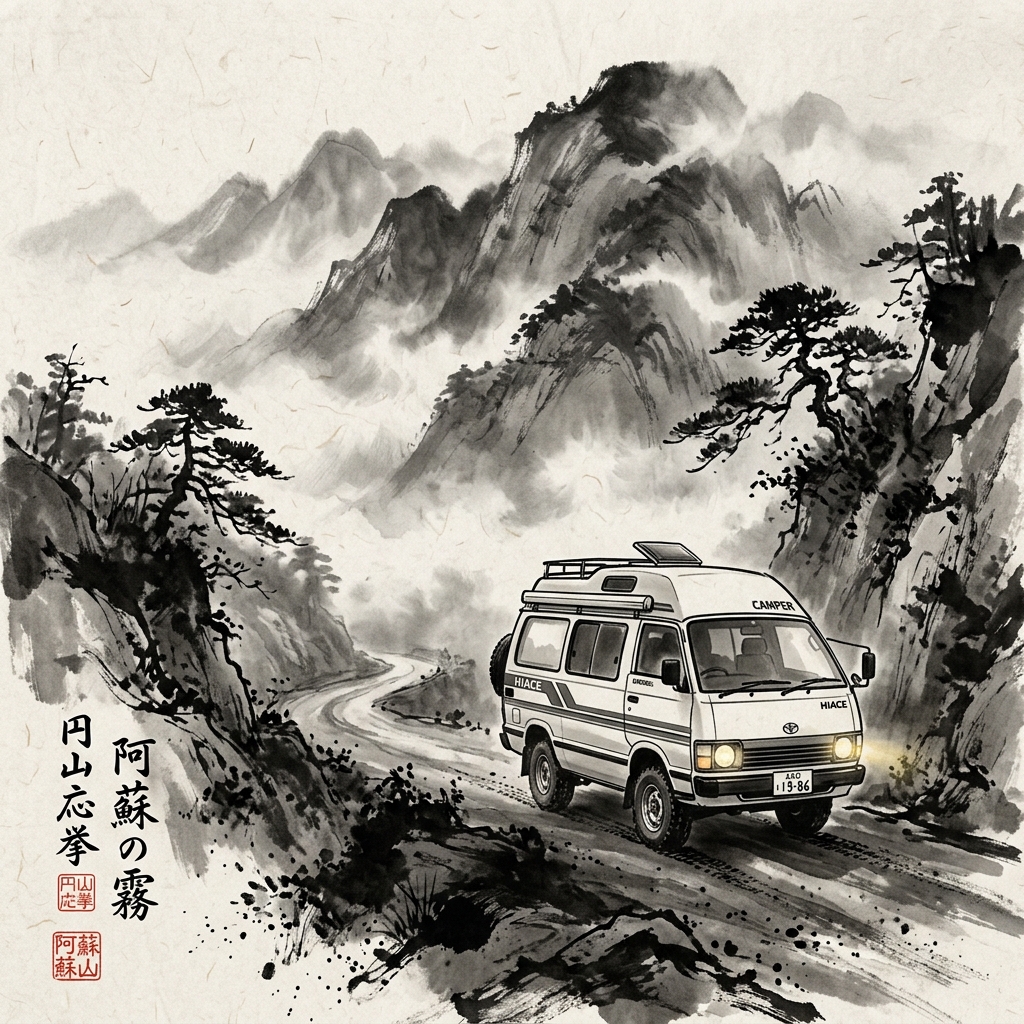
Why Onsen and Campervan Travel Are a Perfect Match
There's nothing quite like pulling into a parking spot after a long day of driving through Kyushu's mountains, and knowing that a steaming hot spring awaits you just steps away. Japan's onsen culture and campervan travel are a match made in heaven.
With over 3,000 hot spring resorts across Japan, you're never far from a soak. Many are located in exactly the kinds of scenic, rural areas that campervan travelers love to explore.
Onsen Etiquette: The Basics
Japanese hot springs have a few important rules that every visitor should know. Don't worry. They're simple, and following them shows respect for the culture.
- Wash before entering: Always shower thoroughly before getting into the bath. Washing stations are provided with soap, shampoo, and small stools.
- No swimwear: Traditional onsen are enjoyed without clothing. Towels stay out of the water (place yours on your head or the side).
- No tattoos (usually): Many onsen don't allow visible tattoos. However, this is changing, and we'll share some tattoo-friendly options below.
- Keep it quiet: Onsen are places of relaxation. Keep conversations low and avoid splashing.
- Tie up long hair: Hair shouldn't touch the water.
💡 Tattoo-Friendly Onsen
If you have tattoos, look for "貸切風呂" (kashikiri-buro). These are private baths you can reserve. Many Michi-no-Eki onsen and smaller local bathhouses are also more relaxed about tattoos than large resort-style facilities.
Types of Onsen You'll Find
Day-Use Onsen (日帰り温泉)
These are the most common for campervan travelers. Pay a small fee (usually ¥500-1,000), soak for as long as you like, and head back to your van feeling refreshed. Many are open until 9 or 10 PM.
Michi-no-Eki Onsen
Some of Japan's roadside stations include hot spring facilities. These are perfect for campervan travelers since you can often park and soak in the same place. Many stations tolerate a quiet night's rest in your vehicle (no camping behavior such as tents or cooking outside), but some ban overnight stays, so check the station page first.
Outdoor Baths (露天風呂)
Rotenburo (outdoor hot spring baths) are the ultimate experience. Imagine soaking in naturally heated water while looking out at mountains, forests, or the ocean. Kyushu has some of Japan's best.
Best Onsen Spots in Kyushu
- Beppu: Japan's hot spring capital with 8 distinct bathing areas
- Yufuin: charming onsen town with mountain backdrop
- Kurokawa Onsen: traditional ryokan-style baths in a forest valley
- Ibusuki: famous sand baths where you're buried in naturally heated sand
- Unzen: hot springs in a volcanic landscape
🧳 What to Bring
- A small towel (or buy one for ¥200 at the onsen)
- Coins for the locker (¥100)
- Your own shampoo/soap if preferred (provided for free at most places)
How to Find Onsen on the Road
Use Google Maps and search for "日帰り温泉" (day-use onsen) near your location. Apps like "Onsen Tengoku" also provide comprehensive listings with reviews and facility details.
When you rent from us, we give you a list of our favorite onsen stops along popular Kyushu driving routes.
The Perfect Campervan Day
Here's our recommended routine: drive through scenic routes during the day, stop at a Michi-no-Eki for local food, find a nearby onsen for an evening soak, then settle in for the night at a campsite or at a Michi-no-Eki that tolerates a quiet night's rest in your vehicle. Wake up to nature, and do it all again. That's the campervan life in Japan.
Frequently Asked Questions
Can foreigners with tattoos go to onsen in Japan?
Many traditional onsen do not allow visible tattoos. However, you can use private baths (kashikiri-buro/貸切風呂) or look for tattoo-friendly facilities. Smaller local bathhouses and Michi-no-Eki onsen tend to be more relaxed about tattoos.
What is the etiquette for Japanese hot springs?
Wash thoroughly before entering the bath, enter without swimwear, keep your towel out of the water, be quiet and respectful, and tie up long hair. These simple rules show respect for Japanese onsen culture.
How much does it cost to visit an onsen in Japan?
Day-use onsen typically cost ¥500 to ¥1,000. Some Michi-no-Eki onsen are even cheaper. Most provide soap, shampoo, and towel rental for a small fee.
What are the best onsen in Kyushu for campervan travelers?
Top recommendations include Beppu (Japan's hot spring capital), Yufuin (charming mountain town), Kurokawa Onsen (forest valley baths), Ibusuki (sand baths), and Unzen (volcanic landscape). All are accessible by campervan with nearby parking.