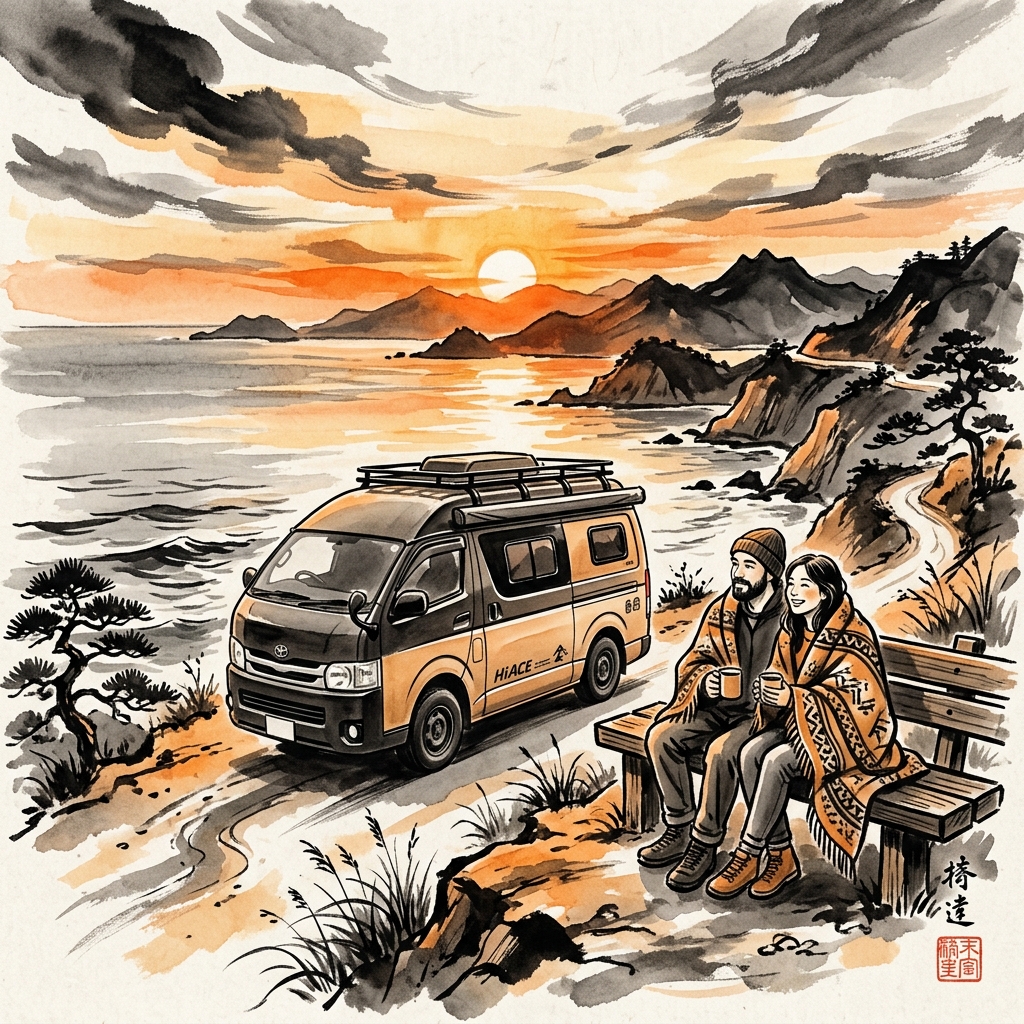
Driving on the Left Side
Japan drives on the left side of the road, with the steering wheel on the right. If you're from a country that drives on the right (most of Asia, Europe, and the Americas), this will feel unfamiliar at first, but most people adjust within 30 minutes. The trickiest moments are making turns at intersections and entering roundabouts. Our advice: take it slow for the first hour, and let muscle memory build naturally.
💡 Key Adjustment Tips
The most common mistake? Activating the windshield wipers instead of the turn signal. They're on opposite sides from what you might be used to. It happens to everyone!
Speed Limits
Japan's speed limits are generally lower than what you might be accustomed to:
- Residential areas: 30 km/h
- Regular roads: 40-60 km/h
- National highways: 50-60 km/h
- Expressways: 80-100 km/h (sometimes 120 km/h on newer sections)
Speed cameras are common, and fines can be steep. Most GPS navigation systems will alert you to speed traps along your route.
Toll Roads and Expressways
Japan has an extensive network of expressways (高速道路, kōsoku dōro) that connect major cities. These are toll roads, and fees can add up:
- Fukuoka to Kumamoto: approximately ¥3,500
- Fukuoka to Beppu: approximately ¥4,200
- Fukuoka to Kagoshima: approximately ¥7,000
Using an ETC card can save you up to 30% on tolls, especially on weekends and holidays. Read our dedicated ETC card guide for details.
Parking Rules
Parking in Japan follows strict rules:
- Never park on the street in cities unless there are designated parking spaces
- Coin parking lots (コインパーキング) are everywhere and affordable (¥100-300/hour)
- Michi-no-Eki offer free parking and are ideal for campervan travelers
- Campsite parking is the safest and most respectful option for overnight stays
⚠️ Important
Japan has zero tolerance for drink driving. The blood alcohol limit is 0.03%, effectively zero. Penalties include heavy fines, imprisonment, and even passengers can be fined for allowing a drunk person to drive.
Gas Stations
There are two types of gas stations in Japan:
Full-Service (フルサービス)
Staff will fill your tank, clean your windows, and even empty your ashtray. Just tell them "regular, full" (レギュラー、満タン, regyuraa, mantan).
Self-Service (セルフ)
Operate the pump yourself. These are usually cheaper. Payment is typically by cash or credit card at the pump.
Navigation Tips
Japan's road system can be confusing, with signs sometimes only in Japanese. Here's how to navigate:
- Use the car GPS: Our vehicles come with English-language navigation
- Google Maps works great: For real-time traffic and alternative routes
- MAPCODE: Many Japanese addresses use mapcodes, 8-10 digit numbers that pinpoint exact locations
Emergency Contacts
- Police: 110
- Ambulance/Fire: 119
- Our 24/7 support and roadside assistance (included in every rental): If the van breaks down or you need help on the road, message us first on WhatsApp
- Roadside assistance (JAF): #8139 (JAF may charge non-members, so VanTripJapan renters should contact us first)
After any accident, even a minor scrape: call the police (110) from the scene, then message us on WhatsApp.
Frequently Asked Questions
Do you drive on the left or right side of the road in Japan?
Japan drives on the left side of the road, with the steering wheel on the right side of the vehicle. Most visitors adjust within 30 minutes. The trickiest part is making turns at intersections.
What are the speed limits in Japan?
Residential areas: 30 km/h. Regular roads: 40-60 km/h. National highways: 50-60 km/h. Expressways: 80-100 km/h (sometimes 120 km/h on newer sections). Speed cameras are common.
Can you drink and drive in Japan?
No. Japan has zero tolerance for drink driving with a blood alcohol limit of 0.03%, effectively zero. Penalties include heavy fines, imprisonment, and even passengers can be fined.
What do I do in an emergency while driving in Japan?
Call 110 for police and 119 for ambulance/fire. After any accident, even a minor scrape, call 110 from the scene, then message us on WhatsApp. If the van breaks down, VanTripJapan renters should message us on WhatsApp first, as 24/7 roadside assistance is included in every rental. JAF (#8139) may charge non-members.