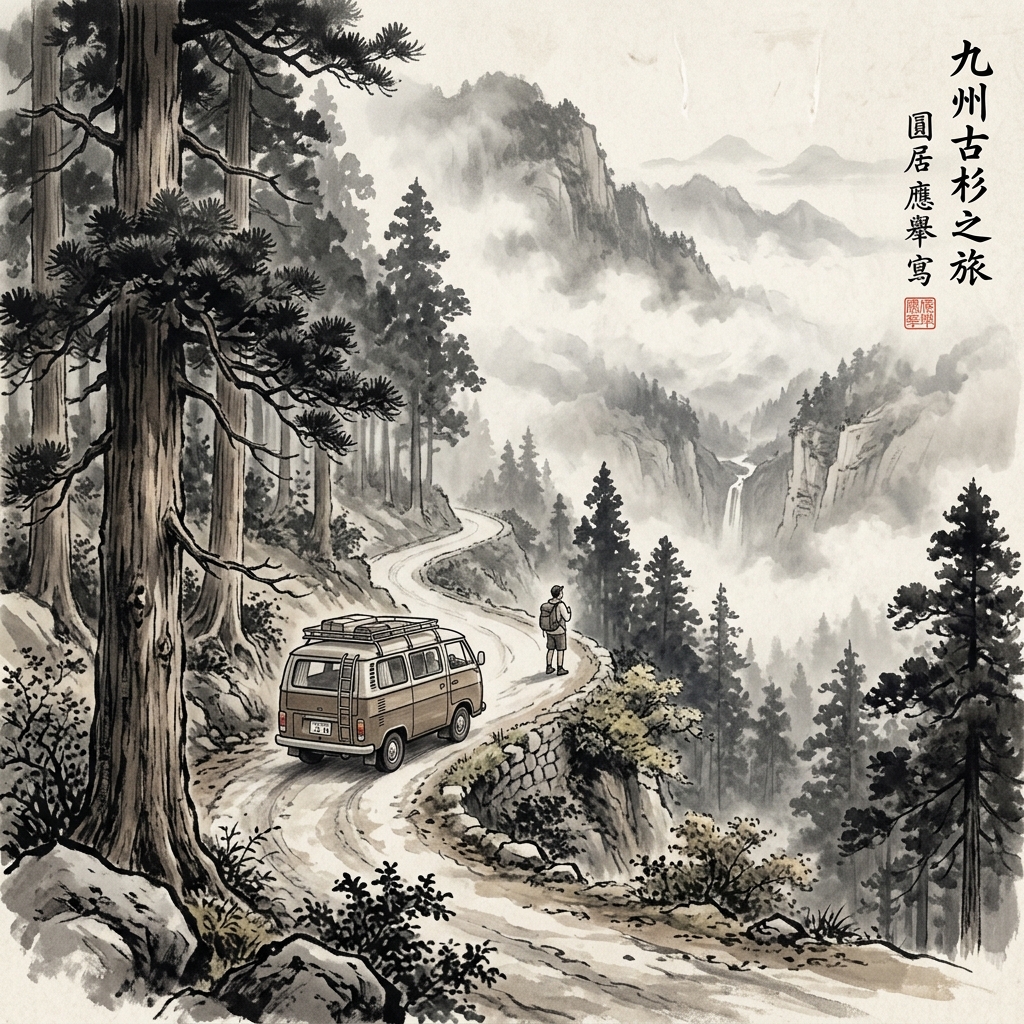
Embracing Winter Vanlife in Japan
Chasing powder snow across Hokkaido or exploring the frozen waterfalls of the Japanese Alps in a campervan is the ultimate winter adventure. However, Japan's heavy snowfall (often referred to as 'Japow') presents unique challenges for driving and living in a mobile home.
Essential Winter Driving Safety
Driving a bulky campervan on icy mountain roads requires preparation and caution.
- Studless Winter Tires: This is non-negotiable. Ensure your rental agency explicitly guarantees the vehicle is equipped with high-quality studless snow tires.
- 4WD (Four-Wheel Drive): If you plan to navigate steep alpine roads or ski resort access roads, a 4WD campervan is highly recommended to prevent getting stuck.
- Gentle Maneuvers: Campervans are heavy. Brake early, avoid sudden steering movements, and utilize engine braking on downhill slopes to prevent sliding.
Staying Warm: FF Heaters Explained
The secret to comfortable winter vanlife in sub-zero temperatures is the FF Heater (Forced Flue Heater).
Unlike running the vehicle's engine (which is illegal and dangerous due to carbon monoxide risks while parked), an FF heater uses a tiny amount of fuel from the main gas tank to blow dry, hot air into the cabin while exhausting fumes outside. It consumes very little battery and can keep the interior at a cozy 20°C (68°F) even when it's -10°C outside.
Condensation and Water Management
Winter brings high temperature differentials, leading to condensation.
- Ventilation: Always crack a roof vent slightly, even when the heater is on, to allow moisture to escape and prevent frost buildup on the inside of the windows.
- Freezing Pipes: If your campervan has a sink, the water lines may freeze at night. Empty the gray water tank before temperatures drop, and keep fresh water in portable jugs inside the heated cabin.