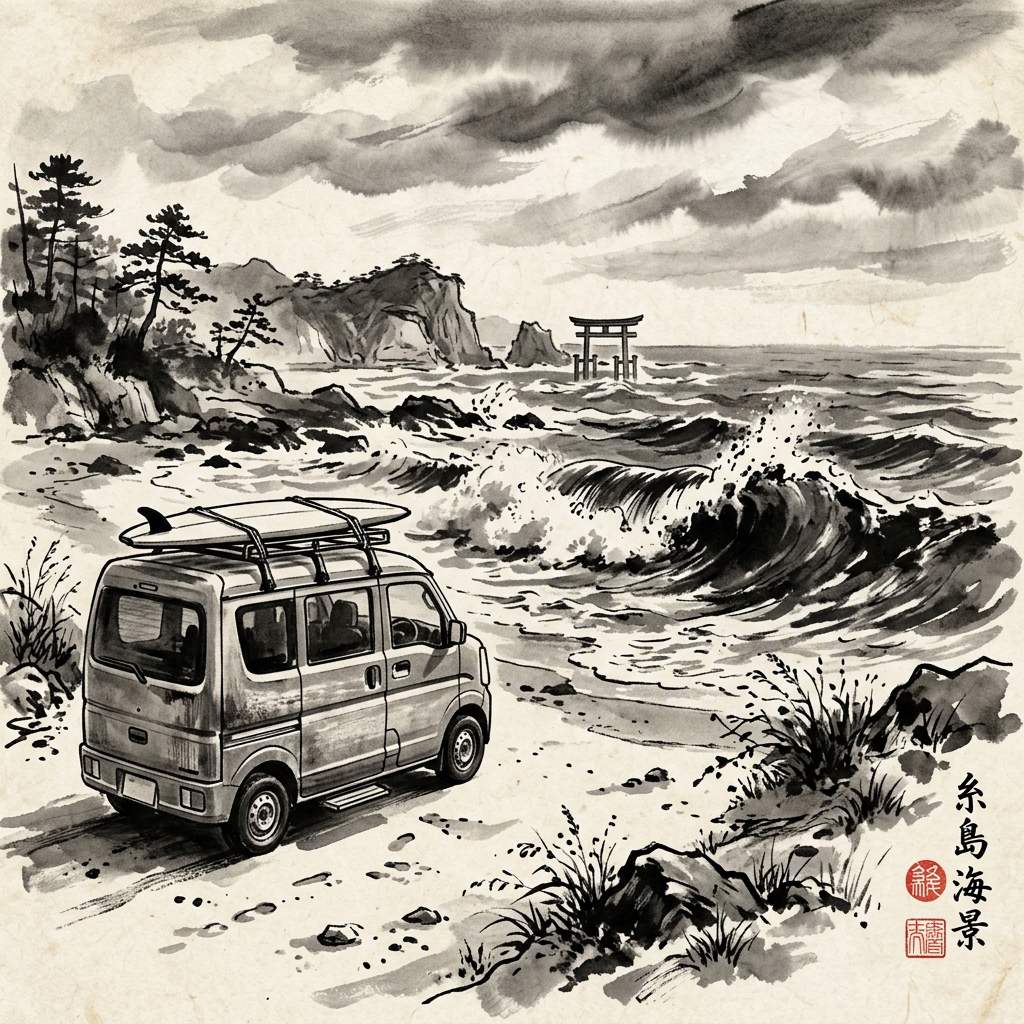
The Kunisaki Peninsula is Kyushu's most underrated destination — a remote volcanic plateau in Oita Prefecture dotted with 1,300-year-old stone Buddha carvings, moss-covered forest temples, terraced rice paddies, and virtually no tourists. It was recognized as a Globally Important Agricultural Heritage System by the UN FAO in 2013.
Quick Facts
| Detail | Info |
|---|---|
| Location | Oita Prefecture, northeast Kyushu |
| From Beppu | 1 hour drive |
| From Fukuoka | 2.5 hours via expressway |
| Best season | Year-round (autumn foliage Oct-Nov is spectacular) |
| Overnight parking | Michi-no-Eki Kunisaki (free) |
| UNESCO status | Globally Important Agricultural Heritage System (2013) |
The Rokugo Manzan Buddhist Culture
Kunisaki's unique religious culture, known as Rokugo Manzan (六郷満山), dates back to the 8th century. It blends Shinto mountain worship with Tendai Buddhism, creating a spiritual landscape unlike anywhere else in Japan. At its peak, the peninsula had over 65 temples scattered across six valleys. Today, about 30 remain, many hidden deep in forests accessible only on foot.
What makes Kunisaki exceptional for campervan travelers is the combination of profound cultural depth and complete absence of crowds. While Kyoto's temples are packed with tour buses, Kunisaki's equally ancient sites receive perhaps 10-20 visitors per day.
Must-See Sites
Kumano Magaibutsu (熊野磨崖仏)
Japan's largest cliff-carved stone Buddha reliefs, dating from the late Heian period (12th century). The larger figure (Dainichi Nyorai) stands about 6.8 meters tall; the smaller Fudo Myoo about 8 meters. Reaching them requires a steep 20-minute climb up moss-covered natural stone steps through a dense forest — an almost mystical experience. The crude, powerful carving style is deliberately different from refined Kyoto Buddha statues, reflecting the mountain ascetic tradition.
Access: Free parking at trailhead. Entry approx. 300 yen. Allow 60-90 minutes for the round trip.
Futago-ji Temple (富貴寺・両子寺)
Futago-ji is the spiritual center of Rokugo Manzan, nestled at the peak of the peninsula. The approach through towering cedar trees and the iconic Nio guardian statues flanking a moss-covered stone stairway is one of the most photographed scenes in Oita. The temple grounds include meditation halls, stone gardens, and forest walking paths.
Fuki-ji nearby houses the oldest wooden structure in Kyushu — a small Amida-do hall from the late Heian period (National Treasure). The faded interior murals are originals from the 12th century.
Tashibunosho (田染荘)
A UNESCO-recognized agricultural landscape of terraced rice paddies that has been continuously farmed for over 1,000 years. The view of rice fields with ancient temple roofs emerging from the surrounding forest is Kunisaki's most iconic landscape. Best seen from the Tashibunosho observation platform (free, small parking area).
Usa Jingu (宇佐神宮)
At the base of the peninsula, Usa Jingu is one of Japan's three most important Shinto shrines and the head shrine (sohonsha) of all 44,000 Hachiman shrines across Japan. The vermilion main hall is a National Treasure. Unlike many shrines, Usa Jingu uses a unique prayer custom: bow twice, clap four times, bow once (not the usual two claps). Entry is free. Large free parking area.
Driving on the Peninsula
Kunisaki roads are well-paved but many are narrow, winding mountain roads through forests. Our compact Probox campervan is ideal — it fits easily through tight temple approaches and narrow mountain passes. Allow extra time for driving; distances are short but roads are slow. Fuel up before entering the interior — gas stations are sparse.
Suggested 2-Day Itinerary
- Day 1: Drive from Beppu to Usa Jingu (45 min). Visit the shrine complex (1.5 hours). Drive into the peninsula interior. Visit Kumano Magaibutsu (1.5 hours). Afternoon at Futago-ji and Fuki-ji. Sleep at Michi-no-Eki Kunisaki
- Day 2: Morning at Tashibunosho terraced rice paddies. Drive the coastal road along the peninsula's north shore. Explore small fishing villages. Return to Beppu for an onsen soak, or continue to your next destination
Where to Eat
- Dango-jiru: Kunisaki's signature dish — flat wheat noodles in miso soup with root vegetables. Hearty and warming after temple walks
- Kabosu: Oita's famous citrus fruit — used as a garnish on everything from sashimi to noodles. Available at Michi-no-Eki
- Fresh seafood: The fishing ports along the north coast serve excellent sashimi and grilled fish at local shokudo restaurants
Frequently Asked Questions
How is Kunisaki different from Kyoto temples?
Kunisaki's temples are mountain temples (yama-dera) embedded in nature, not urban garden temples. They lack the refined aesthetics of Kyoto but have raw spiritual power. The stone carvings, moss, and forest settings create an atmosphere closer to ancient Japan than anywhere in the country.
Is Kunisaki worth visiting with limited time?
Even a half-day detour from Beppu is worthwhile. Prioritize Kumano Magaibutsu and Usa Jingu — these two sites alone justify the trip. If you have a full day, add Futago-ji and Tashibunosho for the complete experience.
Related Articles
- Beppu & Yufuin: Complete Hot Spring Road Trip
- 7-Day Kyushu Road Trip from Fukuoka
- Best Scenic Drives in Kyushu
- Where to Park Overnight Legally
- Onsen Etiquette for Foreign Visitors
Discover Kunisaki's hidden temples by campervan
All-inclusive from ¥22,000/day — compact Probox perfect for narrow mountain roads.
View Rental Options → 💬 Ask on WhatsApp