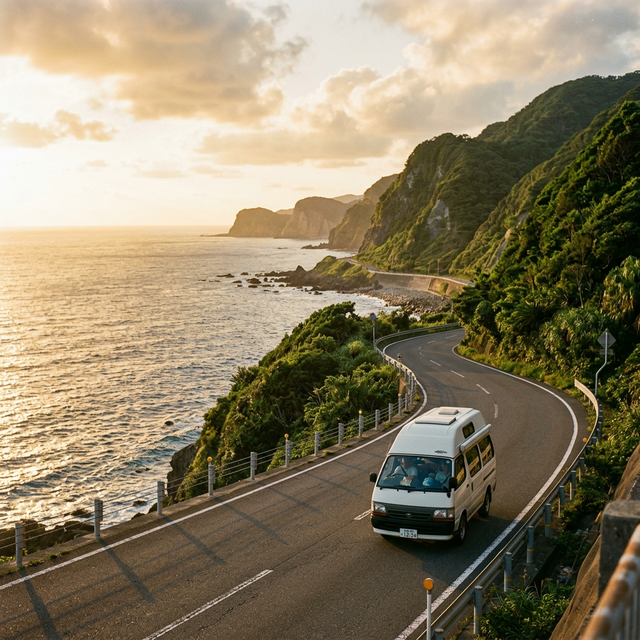
When a guest from Israel reached out to rent our van for a Kyushu trip, they sent something we'd never seen before: a meticulously researched list of 46 places they wanted to visit. No Fukuoka ramen crawl. No Hakata nightlife. No resort onsen with room service.
Instead: cave baths. Active volcano craters. Moss-covered shrine paths. Roadside stations. A Peace Park. Specialty coffee roasters at 1,000 meters altitude.
We sat down and analyzed every single one of those 46 spots — and what we found says a lot about how international travelers see Kyushu differently from Japanese tourists. If you're planning a van trip here, this might reframe how you build your itinerary.
The Full List, Categorized
The 46 spots broke down into clear themes. Not a single one was a shopping mall, convenience store photo spot, or Instagram-famous cherry blossom park.
The 46 Spots by Category
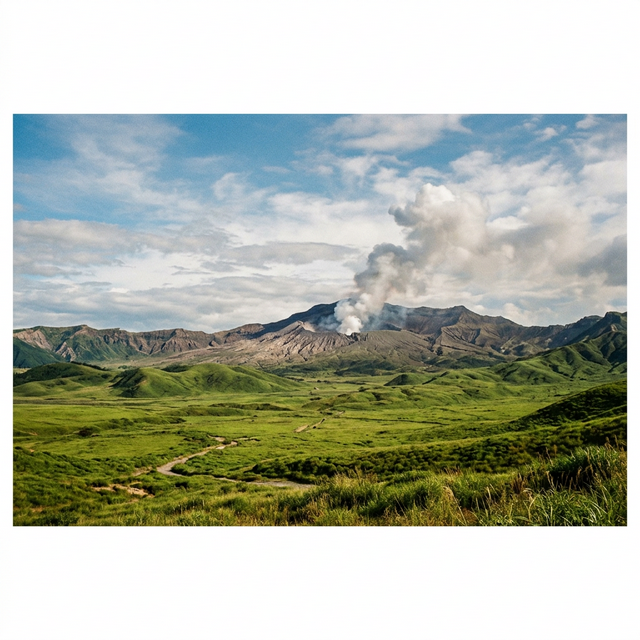
- Volcanoes & geothermal: Mt. Aso, Sakurajima, Unzen Jigoku, Beppu Hell Tour, Kirishima, Mt. Karakunidake, Unzen Nita Pass, Roku Kannon Miike viewpoint
- Unique onsen: Shinmeikan (cave bath), Me no Yu (oldest rock bath in Kirishima), Beppu hells, Kurokawa Onsen, hot spring eggs at Unzen
- Coastal & waterfall scenery: Nichinan Coast (Devil's Washboard), Nanatsugama sea caves, Umakase lookout, Hakusui Falls, Ayugaeri Falls
- Mythology & shrines: Takachiho, Udo Jingu, Irome Kumano Shrine, Dazaifu Tenmangu, Ninomiya Hachimansha torii
- Michi-no-Eki & camps: Michi-no-Eki Aso, Aso望の郷, Innai, Phoenix; Santa Fe Autocamp, Saikai Bridge Autocamp
- Specialty cafés & food: ARBOL Ice Cream, Kusasenri Coffee Roaster, Kujira Coffee, Sasebo Burger Museum, local restaurants
- Historical: Nagasaki Peace Park, Kumamoto Castle, Dazaifu
Pattern 1: They Came for the Volcanoes
Eight of the 46 spots were directly related to volcanic or geothermal activity. That's nearly one in five picks. And they weren't just listing "Mt. Aso" as a checkbox — they had the crater, the grassland (Kusasenri), the viewpoint (Daikanbo), and the surrounding Yamanami Highway all separately noted.
The reason is straightforward: Israel has no active volcanoes. Neither do most of Europe, the US East Coast, or much of East Asia outside Japan. For travelers from these places, a drivable active volcano isn't a side attraction — it's a once-in-a-lifetime landscape.
Kyushu has five major volcanic systems within a few hours of each other: Aso, Sakurajima, Unzen, Kirishima, and the Beppu-Yufuin geothermal zone. Japanese tourists tend to spread their interest across all of Kyushu's many draws. International travelers, especially those without volcanic geography at home, often build their entire trip around the fire.
Pattern 2: They Chose the Most Extreme Onsen
Not a single conventional hot spring hotel appeared on the list. Instead:
- Shinmeikan's cave bath (洞窟風呂) — a natural cave carved into the riverbank in the Kuma River gorge, accessible only by stepping stones
- Me no Yu (目の湯) — said to be the oldest rock bath in Kirishima, naturally formed from volcanic rock
- Beppu Hell Tour — not a bathing experience at all, but a tour of boiling geothermal pools with colors ranging from cobalt blue to blood red
- Kurokawa Onsen — the inn they selected, Yamamizuki, is known for its outdoor river baths deep in a forested gorge
The pattern is consistent: they weren't looking for relaxation packaging. They wanted onsen that felt elemental — geologically dramatic, historically raw, visually unlike anything at home.
Pattern 3: The Peace Park Was a Standalone Priority
Nagasaki Peace Park appeared on the list as a deliberate, standalone choice — not bundled with Glover Garden, Dejima, or the Chinatown that most Japanese itineraries include when visiting Nagasaki.
For Israeli and Jewish travelers especially, war memory and commemoration sites carry deep cultural weight. The Yad Vashem Holocaust memorial in Jerusalem is visited by virtually every Israeli citizen. The habit of engaging seriously with places of historical tragedy — and the belief that such places deserve time and attention — translates directly to how they approach Nagasaki.
If you're hosting international guests at this site, give it space. It is not a quick stop.
Pattern 4: They Found the Michi-no-Eki
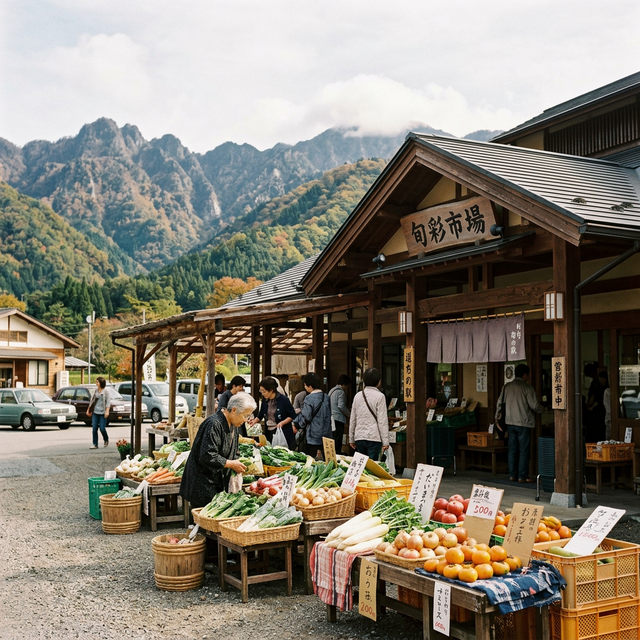
This was the detail that surprised us most. Four Michi-no-Eki (道の駅) roadside stations appeared specifically named on the list. These are largely invisible to package tourists and even to many independent travelers who don't research van travel specifically.
Finding them on a wishlist from a first-time Japan visitor means one thing: serious pre-trip research into van life and overland travel culture. The international van travel community — active on YouTube, Reddit, and overlanding forums — has documented Michi-no-Eki extensively. This guest had done their homework.
It also means they were planning to actually use the van as a van — sleeping in it, cooking, moving daily — rather than using it as a car between hotels.
Pattern 5: Specialty Coffee, Not Chain Cafés
The café picks were striking: Kusasenri Coffee Roaster (a roastery at 1,000m altitude on the slopes of Aso), ARBOL (an ice cream and specialty coffee spot in the Aso area), and Kujira Coffee. No Starbucks. No Doutor. Not even a famous local chain.
Israel has one of the most developed specialty coffee cultures in the world. Tel Aviv's café scene rivals Tokyo's in terms of roaster quality and barista craft. Travelers from this background notice coffee — and they research it before they arrive.
What Japanese Tourist Itineraries Include That This List Skipped
As striking as what was on the list is what wasn't:
- Fukuoka city — no Hakata ramen, no Nakasu yatai stalls, no Canal City
- Nagasaki city attractions — no Glover Garden, no Dejima, no Chinese Quarter
- Ibusuki sand baths — one of the most distinctive onsen experiences in Japan, completely absent
- Yakushima — absent
- Food culture broadly — no ramen, no horse sashimi (basashi), no mentaiko, no chicken nanban
This isn't a criticism — it's a different travel philosophy. Where Japanese domestic tourism often centers food and shopping within the frame of nature, this traveler was building an itinerary around geology, mythology, and raw landscape. The food that appeared (specialty coffee, burgers, local family restaurants) was incidental to the geography, not the point of it.
What This Means for Your Kyushu Van Trip
If you're an international traveler planning a Kyushu campervan trip, this list is worth taking seriously as an alternative framework to the standard guidebook route. Some specific takeaways:
- Daikanbo appears twice on the original list (spots 4 and 29 are the same location) — confirmation bias for how compelling the caldera view is, but worth checking your own list for duplicates before departure
- The volcanic alert level at Aso changes without much notice. Check the Japan Meteorological Agency before planning crater access.
- Shinmeikan's cave bath requires advance reservation and the stepping-stone path can be slippery. Book early.
- Michi-no-Eki vary significantly in what they offer for overnight van stays. Our complete Michi-no-Eki guide covers what to look for.
- The Nichinan Coast (鬼の洗濯板) is best seen at low tide. Check tide charts before making it the centerpiece of a day.
The Broader Point
Kyushu has been selling itself — rightfully — on food, hot springs, and history. But for a significant portion of international visitors, the draw is something more elemental: a place where the earth is visibly alive, where mythology is embedded in the landscape, and where you can drive from an active crater to a cave bath to a moss-covered shrine path in a single day. The van makes all of it possible on your own schedule.
Frequently Asked Questions
What do international travelers want to see in Kyushu that Japanese tourists don't prioritize?
International travelers to Kyushu are consistently drawn to active volcanoes (Aso, Sakurajima, Unzen), extreme or unusual onsen (cave baths, rock baths, geothermal hell tours), Shinto mythology sites like Takachiho, and historical peace sites like Nagasaki Peace Park. Japanese domestic tourism tends to emphasize food culture, city nightlife, and resort-style onsen — categories that barely appear in the wishlists of serious international visitors.
Why do foreign van travelers research Michi-no-Eki so specifically?
Michi-no-Eki (道の駅) are Japan's roadside stations — part rest stop, part local market, part cultural hub. For campervan travelers, they're essential: most allow free overnight parking, they have clean restrooms open 24 hours, and they stock local produce and food unavailable elsewhere. International van travelers who have done serious pre-trip research — especially those coming from overlanding or van life communities — discover Michi-no-Eki early and plan their routes around them.
Is Kyushu a good destination for first-time campervan travelers from overseas?
Yes — it's one of the best. Roads are wide and well-signed, distances between major highlights are manageable (often 1–2 hours), Michi-no-Eki are plentiful, and the density of remarkable landscapes means you'll rarely drive more than an hour without something worth stopping for. Our campervans are right-hand drive with automatic transmission, which most international visitors adapt to quickly on Kyushu's roads.