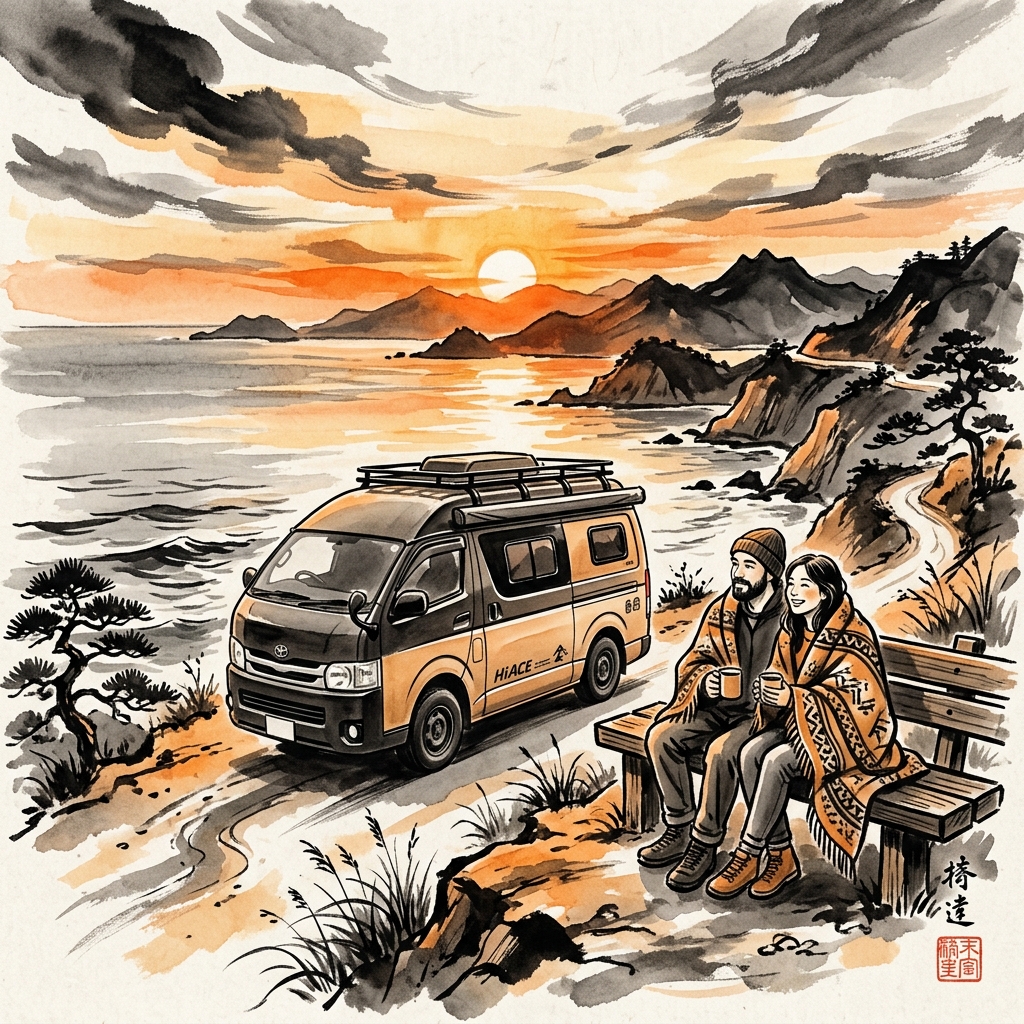
Driving in Japan is a joy — smooth roads, stunning scenery, and incredibly considerate drivers. But Japanese road culture has its own set of rules and unwritten courtesies that will make your trip safer and more enjoyable.
Basic Traffic Rules
Drive on the Left
Japan drives on the left side of the road. The driver sits on the right side of the car. This takes some adjustment, especially at intersections and roundabouts. Take it slow for the first day.
Speed Limits
- Expressways: 80-100 km/h (varies by section)
- National routes: 40-60 km/h
- Residential areas: 30-40 km/h
Speed cameras are common and fines are expensive. Japanese drivers generally follow speed limits closely.
Zero Tolerance for Alcohol
Japan has a strict zero-tolerance policy for drink driving. The legal limit is 0.03% BAC — effectively zero. Penalties are severe: heavy fines, license suspension, and even imprisonment.
🚐 First time driving in Japan?
We'll set you up with everything you need
GPS navigation in English, ETC card pre-installed, 24/7 roadside support, and a personal briefing before you drive.
Driving Manners
Narrow Road Etiquette
Rural Japan is full of narrow mountain roads with no center line. When meeting an oncoming vehicle:
- The car closest to a pull-off spot should yield
- Pull over as far as possible and stop
- Give a small bow or wave — drivers always acknowledge each other
- Flash your hazard lights twice as a "thank you" after someone lets you pass
The Hazard Light "Thank You"
When someone lets you merge, gives you right of way, or is courteous in traffic, flash your hazard lights 2-3 times. It means "thank you." You'll see it everywhere — it's one of Japan's most charming driving customs.
Horn Usage
Honking is considered very rude in Japan. Horns are almost never used except in genuine emergencies.
Michi-no-Eki (Road Stations)
Michi-no-Eki are government-designated rest areas found throughout Japan — free parking, clean restrooms, local products, and sometimes hot springs.
The Overnight Parking Gray Zone
Michi-no-Eki are officially rest areas, not campgrounds. The official rule is that parking is for temporary rest when you're too tired to continue driving.
In practice, many campervan travelers do park overnight. This is tolerated but exists in a gray zone. To stay respectful:
- Don't set up camp — no tables, chairs, awnings, or cooking outside your vehicle
- Keep it discreet — sleep in your van, leave the exterior looking like a parked car
- Leave early in the morning — don't occupy the same spot for multiple days
- Turn off your engine and lights — idling engines and bright lights disturb others
For our complete guide: Where to Park & Rest During Your Japan Road Trip →
ETC (Electronic Toll Collection)
Expressways in Japan are toll roads. An ETC card makes payment automatic. All VanTripJapan rental campervans come with an ETC card pre-installed — just drive through the ETC lane.
Your Driving License for Japan
Before you rent a car in Japan, make sure you have the right documents:
- Most countries: You need an International Driving Permit (IDP) based on the 1949 Geneva Convention. Get it from your local automobile association before traveling.
- Switzerland, Germany, France, Belgium, Monaco, Taiwan: Your IDP is not valid in Japan. Instead, you need an official JAF license translation — a certified Japanese translation of your driver's license.
You can get a JAF translation at a JAF office in Japan (¥4,000, 2-3 weeks), or apply online before your trip through JDLTC (Japan Driver's License Translation Center) — they handle the entire process remotely so you can have your translation ready before you arrive.
Emergency Numbers
| Service | Number |
|---|---|
| Police | 110 |
| Fire / Ambulance | 119 |
| Roadside Assistance (JAF) | 0570-00-8139 |
| VanTripJapan 24/7 Support | Included with rental |
Frequently Asked Questions
Can I sleep overnight at a Michi-no-Eki?
Officially, Michi-no-Eki are rest areas for tired drivers, not accommodation. However, sleeping in your vehicle as a rest stop is generally tolerated if you keep it discreet — no camp setup, turn off engine and lights, and leave in the morning. It's a gray zone, so be respectful.
Do I need an international driving permit for Japan?
Yes. Most visitors need an International Driving Permit (IDP) based on the 1949 Geneva Convention. If you're from Switzerland, Germany, France, Belgium, Monaco, or Taiwan, your IDP is not valid in Japan — you need an official JAF license translation instead. You can read the complete JAF translation guide here, or apply online through JDLTC.
What side of the road does Japan drive on?
Japan drives on the left side of the road. The steering wheel is on the right side of the vehicle. Most visitors adapt within the first day.
Is honking rude in Japan?
Yes. Horns are almost never used in Japan except for genuine emergencies. Instead of honking, Japanese drivers use hazard light flashes as a "thank you" gesture and bows/waves to communicate courtesy.
← Back to The Complete Japanese Manners Guide | Also read: JAF License Translation Guide →