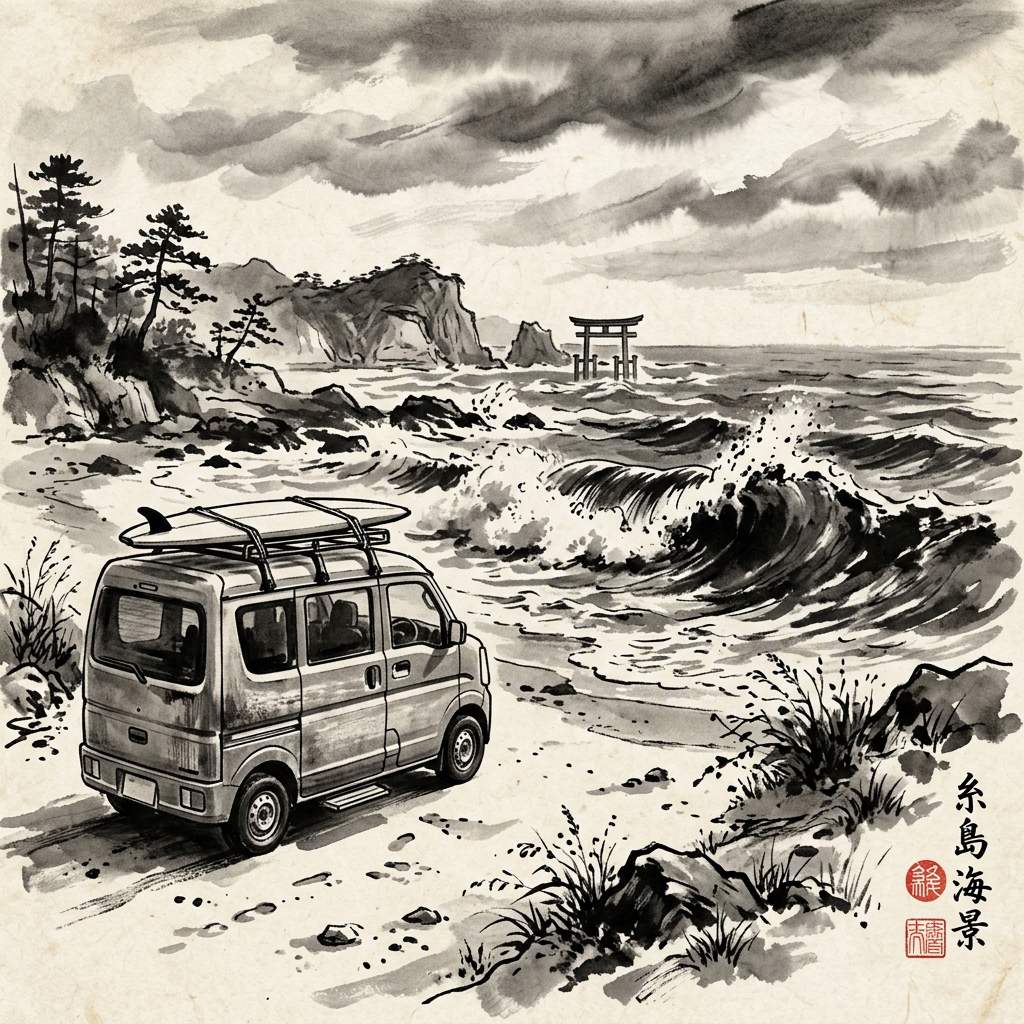
Japan is one of the safest, cleanest, and most welcoming countries on earth. But beneath the surface of this hospitality lies a deeply rooted culture of mutual respect, consideration for others, and quiet harmony — values that have shaped Japanese society for centuries.
As a visitor, you don't need to master every rule. But showing that you care about local customs will earn you genuine warmth and respect from the people you meet. This guide introduces the mindset behind Japanese manners — and links to our detailed guides on dining, onsen, and driving etiquette.
The Zen Mindset: Why Manners Matter in Japan
Japanese culture is deeply influenced by Zen Buddhism and the concept of wa (和) — harmony. The idea is simple: every action you take affects those around you. Manners in Japan aren't about rigid rules — they're about being aware of your impact on others.
This shows up everywhere:
- Trains are silent — phone calls are avoided, and voices are kept low
- Trash is carried home — public bins are rare, so people take their rubbish with them
- Shoes are removed indoors — keeping the inside space clean for everyone
- Bowing is universal — a small nod of acknowledgment shows respect in any situation
The Art of the Bow
You'll notice bowing everywhere in Japan — in shops, restaurants, temples, and even on the road. You don't need to bow deeply like in a formal ceremony. A simple nod of the head is enough in most situations:
- When entering a shop or ryokan
- When thanking someone
- When passing another car on a narrow mountain road (yes, drivers bow to each other!)
- When receiving change or a business card
This small gesture says: "I see you, I respect you, thank you." It costs nothing but means everything.
🚐 Planning a campervan road trip in Japan?
Our team will teach you everything you need to know
Japanese Politeness Is Not Just Surface-Level
Visitors often remark that Japanese people are "so polite." But this goes beyond courtesy — it's a way of life. People will go out of their way to help you find a location, walk you to your destination, or even drive you there. Convenience store staff will hand you your change with both hands and a bow.
The best way to honor this culture? Be mindful, be grateful, and try your best. Even a simple "arigatou gozaimasu" (thank you very much) will light up someone's day.
Key Phrases That Show Respect
| Japanese | Meaning | When to Use |
|---|---|---|
| Sumimasen | Excuse me / Sorry | Getting attention, apologizing, thanking |
| Arigatou gozaimasu | Thank you very much | After receiving help, at shops, restaurants |
| Itadakimasu | I humbly receive | Before eating |
| Gochisousama | Thank you for the meal | After eating |
| Ojama shimasu | Pardon the intrusion | When entering someone's home |
Deep Dive: Manners by Category
We've created detailed guides for the three areas where manners matter most during a campervan road trip:
🍜 Japanese Dining Etiquette
Chopstick rules, tipping culture, izakaya customs, and the magic words before and after every meal.
♨️ Onsen Etiquette 101
Wash before entering, no towels in the bath, dry off before the changing room — and more essential hot spring rules.
🚗 Driving Manners & Rules
Left-side driving, speed limits, narrow road etiquette, and everything about Michi-no-Eki road stations.
🅿️ Parking & Rest Stop Etiquette
Where to park, how to use Michi-no-Eki properly, and why you should always turn off your engine.
The Golden Rule
When in doubt, follow this simple principle that Japanese culture embodies: "Don't cause trouble for others" (meiwaku wo kakenai).
Be quiet in shared spaces. Clean up after yourself. Show gratitude. That's really all it takes to be a respectful traveler in Japan — and the warmth you'll receive in return will be the highlight of your trip.
Frequently Asked Questions
Do I need to bow in Japan?
A small nod of the head is enough in casual situations. Japanese people don't expect tourists to perform deep bows — a simple head nod when greeting, thanking, or passing someone shows respect and is always appreciated.
Is tipping expected in Japan?
No. Japan has no tipping culture. Leaving money on the table can be confusing or even offensive. The price you see is the price you pay — service excellence is considered part of the job.
What are the most important Japanese phrases to know?
"Sumimasen" (excuse me), "arigatou gozaimasu" (thank you very much), and "itadakimasu" (said before eating) are the three most useful phrases. Even attempting these will earn you smiles and appreciation.
Can I wear shoes indoors in Japan?
No. Always remove your shoes when entering homes, ryokans, some restaurants, and temples. Slippers are usually provided. Look for a genkan (entrance area) where shoes are lined up — that's your cue to remove yours.